Behind the Mic of Razorback Athletics
How Armando Barry Built a Career Covering Sports in Northwest Arkansas
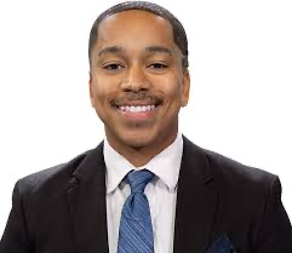
Armando Barry, sports anchor and reporter at 40/29 News, covers Razorback athletics and local sports throughout Northwest Arkansas. (Photo courtesy of 40/29 News)
The red light clicks on as Armando Barry prepares to deliver another sports report for 40/29 News. In Northwest Arkansas, where Razorback athletics dominate the sports landscape, consistency and credibility matter. Roberts has spent more than a decade becoming one of the most recognizable figures in local sports coverage, not by chasing attention, but by focusing on preparation and storytelling.
Barry has built a long-term career in Northwest Arkansas by blending experience from mid-sized media markets with a commitment to community-focused sports journalism. His path reflects how modern sports broadcasters often move through multiple markets before finding stability and influence in a smaller, high-engagement region like SEC country.
Roberts currently serves as the Sports Anchor/Reporter at 40/29 News, the ABC affiliate covering Fayetteville, Fort Smith, and the surrounding region. His role includes anchoring sportscasts, overseeing daily sports coverage, and producing long-form feature stories that highlight athletes, coaches, and communities throughout Northwest Arkansas.
Before arriving in Northwest Arkansas, Armando Barry built his on-air experience in smaller and mid-sized television markets, most notably serving as Sports Director at WYMT Mountain News in Hazard, Kentucky. In that role, Barry covered a wide range of sports with a heavy emphasis on University of Kentucky athletics, requiring him to anchor, report, shoot, and edit on tight daily deadlines. That environment demanded versatility and consistency, helping Barry develop a strong on-air presence before joining 40/29 News in Northwest Arkansas.
Transitioning to Northwest Arkansas required a shift in focus. Sports coverage in the region centers heavily on the University of Arkansas, where fan engagement extends far beyond game days. Football, basketball, and Olympic sports all draw consistent attention, and coverage often emphasizes accountability, development, and the student-athlete experience.
Armando Barry’s approach to sports reporting mirrors a larger trend in local sports journalism that emphasizes engaging the community and advancing stories with depth rather than just recapping game highlights. Industry discussions have highlighted how local sports coverage strengthens community identity and draws audiences by connecting them emotionally with events and athletes rather than just focusing solely on scores and statistics. This shift has influenced how sports departments structure content across television and digital platforms, reinforcing the value of storytelling that resonates with viewers and their communities. https://reutersagency.com/resources/panel-discussion-the-power-of-sports-in-local-news
As the sports anchor and reporter at 40/29 News, Armando Barry also contributes to mentoring younger broadcasters and multimedia storytellers entering the field. In smaller markets like Northwest Arkansas, sports journalists often shoulder multiple responsibilities including shooting, editing, writing, and publishing content for digital platforms. This kind of environment allows emerging journalists to build skills quickly while sharpening their on-air presence and storytelling instincts.
The sports media industry has shifted as technology changes how audiences consume content. Younger viewers now favor digital platforms for highlights, feature stories, and real-time updates before tuning into traditional broadcasts. A recent study by the Reuters Institute for the Study of Journalism highlights this trend, noting that local sports coverage with strong digital engagement increases audience connection and extends reach beyond linear television. https://reutersinstitute.politics.ox.ac.uk/
40/29 News has adapted to these changes by expanding its digital sports presence, sharing clips, features, and behind-the-scenes content across social media and the station website. This strategy enables local sports stories to connect with audiences throughout the day while maintaining journalistic standards.
Despite opportunities in larger markets, Barry chose to build his career in Northwest Arkansas, a community with deep ties to Razorback athletics and local sports culture. That regional connection offers sustained access to athletes and programs, allowing for more in-depth reporting and stronger relationships with viewers.
For students and aspiring sports broadcasters, Barry’s career shows that success in the industry is not defined solely by market size. Instead, credibility, consistency, and the ability to tell meaningful stories often matter more than audience size.
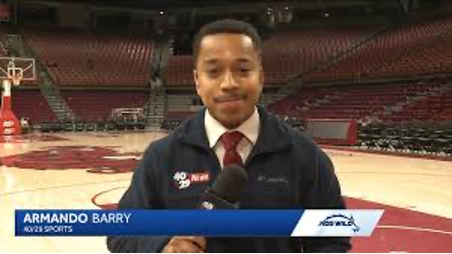
Armando Barry reports courtside at Bud Walton Arena after a University of Arkansas men’s basketball game, covering the impact the game will have on the Hogs in March Madness.. (Photo courtesy of 40/29 News)
Barry’s daily responsibilities at 40/29 News reflect the realities of modern local sports journalism, particularly in a region where college athletics hold cultural significance. Covering Razorback sports requires more than simply attending games. Reporters are expected to understand roster changes, coaching decisions, conference implications, and how athletic success or failure affects the broader Northwest Arkansas community. This level of coverage demands preparation and adaptability, especially during peak seasons such as football Saturdays or postseason play.
In addition to covering University of Arkansas athletics, Barry regularly reports on high school sports across Northwest Arkansas and the River Valley. These stories often involve traveling to smaller communities, building relationships with coaches and athletic directors, and highlighting athletes who may not receive statewide or national attention. High school sports coverage plays a significant role in local television because it reinforces community identity and provides visibility to schools and families who value that recognition.
According to the National Sports Media Association, local sports coverage remains one of the strongest drivers of viewer loyalty in regional television markets. The organization emphasizes that audiences are more likely to engage with stations that consistently invest in local athletes and community-based storytelling rather than relying solely on national sports narratives. This approach aligns with how stations like 40 29 News structure their sports coverage. https://nationalsportsmedia.org/
Barry’s experience prior to arriving in Northwest Arkansas prepared him for this kind of multi-layered reporting. Working in smaller markets often requires journalists to handle multiple aspects of production on their own, including shooting video, conducting interviews, editing packages, and publishing stories online. These responsibilities encourage efficiency and creativity, while also reinforcing the importance of accuracy and clarity in storytelling. By the time Barry joined 40 29, he had already developed a workflow that balanced speed with quality.
The rise of digital platforms has also changed how sports stories are distributed and consumed. Viewers now expect immediate updates through social media, mobile alerts, and station websites. Traditional sportscasts still play an important role, but they are no longer the sole point of contact between journalists and their audiences. As a result, reporters like Barry must think beyond the broadcast and consider how each story functions across multiple platforms.
Research from the Tow Center for Digital Journalism at Columbia University shows that local news organizations that integrate digital storytelling into their daily reporting are more likely to reach younger audiences and maintain long-term engagement. The study notes that short video clips, explanatory posts, and behind-the-scenes content help build trust and familiarity between journalists and viewers. https://www.cjr.org/tow_center_reports/
At 40 29 News, sports coverage reflects this hybrid approach. Game highlights are often accompanied by digital write-ups, social media clips, and extended interviews published online. This layered strategy allows stories to develop over time rather than being confined to a single broadcast window. It also allows reporters the opportunity to expand on context, statistics, and background information that may not fit within a traditional sportscast.
Another important aspect of Barry’s role is maintaining journalistic balance in a market dominated by one major athletic brand. While Razorback athletics draw the largest audiences, local sports departments must also ensure fair coverage of smaller programs, youth sports, and non-revenue sports. This balance helps reinforce the station’s credibility and prevents coverage from becoming overly promotional.
The close relationship between sports teams and local media also requires professionalism and ethical awareness. Access to athletes and coaches can be limited if trust is broken, making accuracy and fairness essential. Sports journalists in smaller markets often interact regularly with the same sources, which increases the importance of maintaining clear boundaries and journalistic standards.
For aspiring sports broadcasters, Barry’s career path highlights the value of early responsibility and adaptability. Smaller markets like Northwest Arkansas offer opportunities to gain Hands on experience quickly, often allowing young journalists to appear on air, produce feature stories, and manage digital content within their first few years in the industry. These experiences can serve as a foundation for long term career growth, whether in larger markets or specialized roles.
Barry’s work demonstrates that strong sports journalism is rooted in consistency and connection rather than market size. By focusing on storytelling, community relevance, and evolving media habits, local sports reporters continue to play a vital role in shaping how audiences experience athletics at every level.
